

Insight

Oil Shock, Geopolitical Escalation and the Case for Holding Dry Powder
March has been one of the most geopolitically sensitive periods markets have faced in recent years. Escalating tensions between the United States, Israel and Iran have created a volatile environment not only for the Middle East but for global financial markets.
While the immediate theatre of conflict is regional, the consequences are global. The Middle East remains the heart of global energy supply, and any disruption to energy infrastructure, shipping lanes, or export capacity has the potential to ripple through inflation, monetary policy and financial markets.
Markets today are therefore facing what can best be described as a binary scenario. On one side, tensions remain contained and global energy supply continues to flow. On the other, escalation disrupts critical chokepoints such as the Strait of Hormuz, sending oil prices sharply higher and reigniting inflationary pressures globally.
The challenge for investors is separating perception from reality. Headlines may amplify the sense of crisis, yet markets must evaluate whether this is a temporary geopolitical shock or the beginning of a more structural disruption to global supply chains.
The question therefore becomes clear: Is this a buying opportunity, or the beginning of a deeper correction?
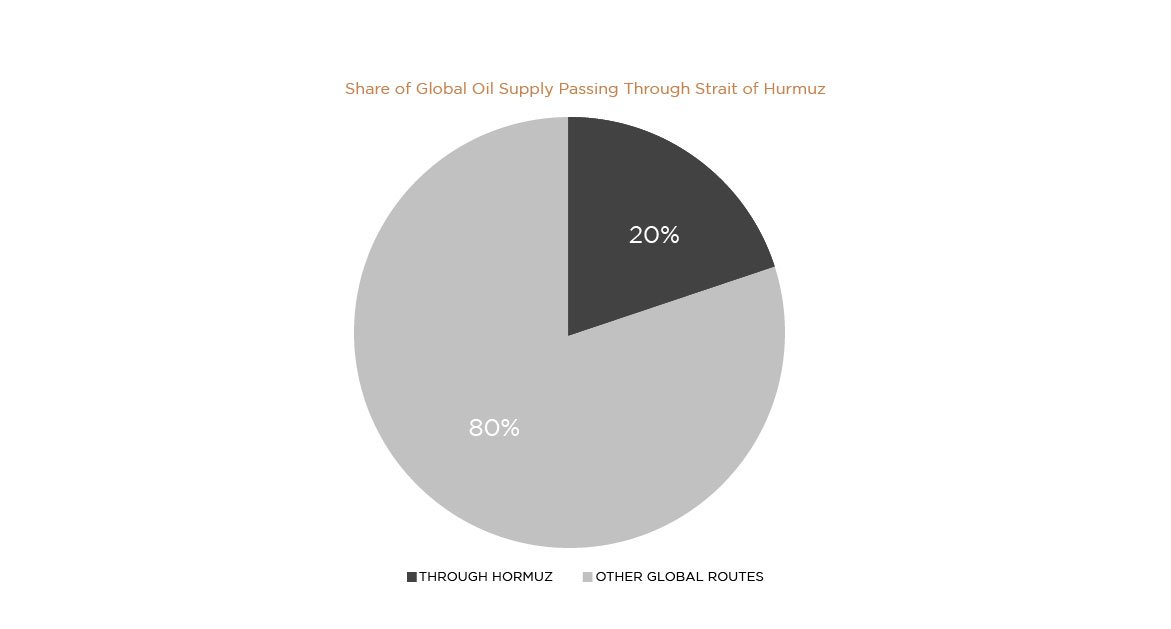
The Strait of Hormuz is one of the most critical energy chokepoints in the world. Roughly one-fifth of global oil consumption passes through this narrow waterway linking the Persian Gulf to the Arabian Sea.
The strait itself is approximately 33 km wide, but the navigable shipping lanes are significantly narrower, with only around 11 km of usable passage in each direction, making it highly vulnerable to disruption from naval conflict, sea mines, or drone attacks.
Several major Middle Eastern oil exporters rely heavily on this route.
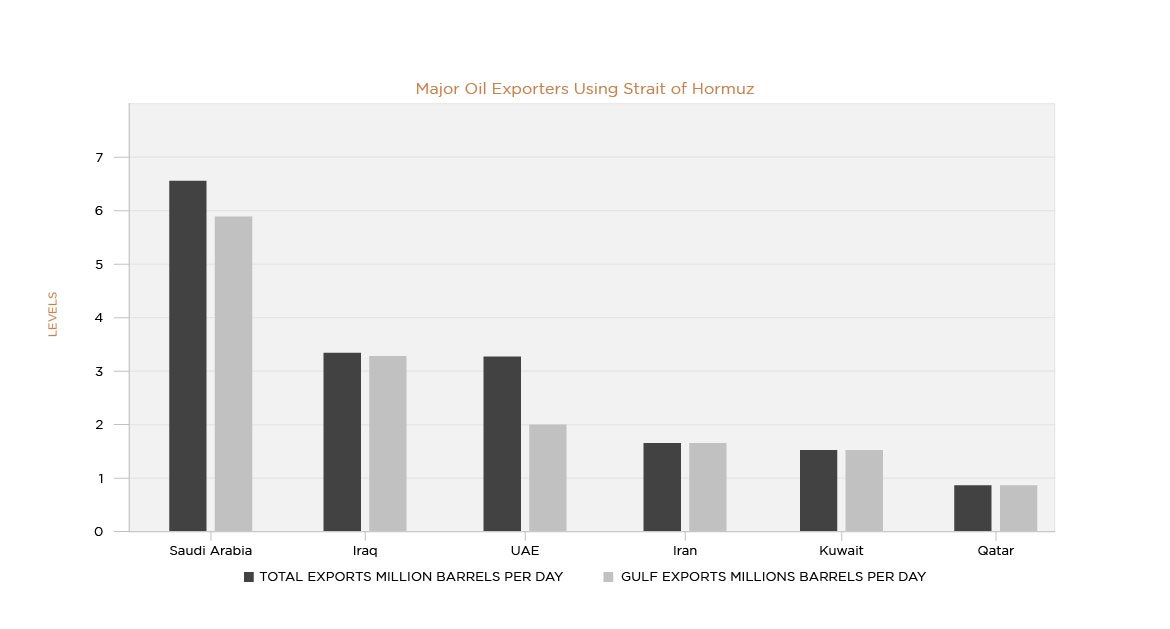
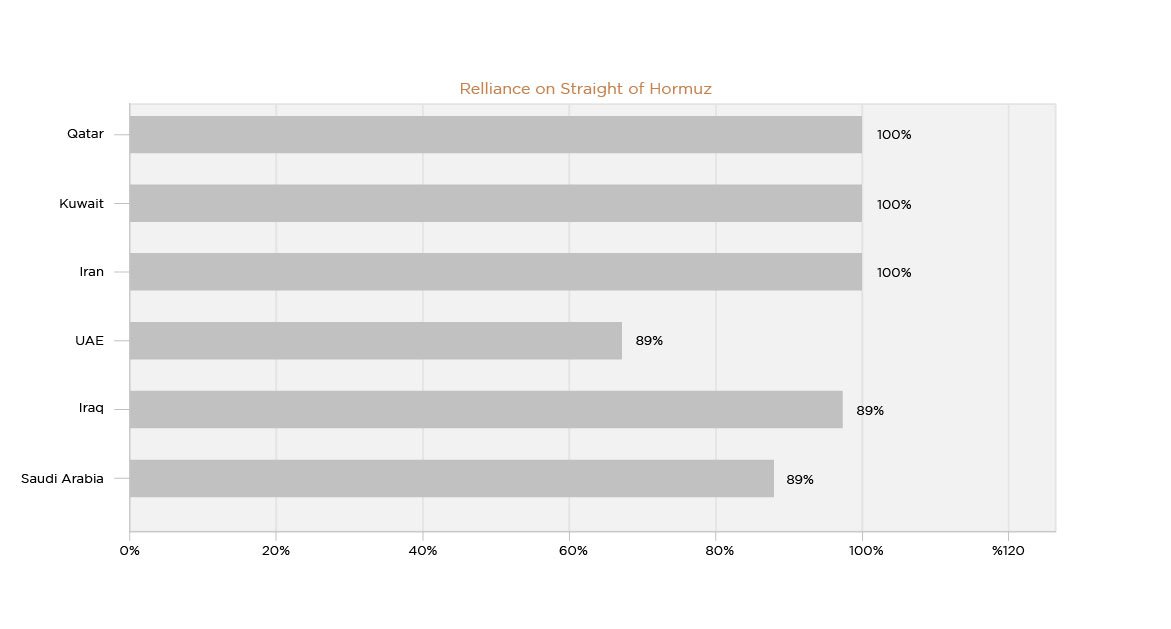
This data illustrates how critical the Strait of Hormuz remains to global energy markets. Several major producers — particularly Iran, Kuwait and Qatar — are completely dependent on the passage.
Even Saudi Arabia, which has some alternative infrastructure, still exports nearly 90% of its crude through the Gulf, highlighting the systemic vulnerability of global oil markets.
Source: CNBC analysis using energy trade data.
Despite the strategic vulnerability of Hormuz, several pipeline networks exist to bypass the chokepoint.
Key Alternative Pipelines
These routes allow limited export capacity to bypass the Strait of Hormuz. However, their capacity is far smaller than total Gulf export volumes, meaning a full closure of Hormuz would still create a severe supply shock.
Source: U.S. Energy Information Administration (EIA).
In response to supply disruptions, governments and international agencies often release crude oil from strategic reserves.
The International Energy Agency (IEA) is reportedly considering releasing up to 400 million barrels, potentially the largest coordinated reserve release in history.
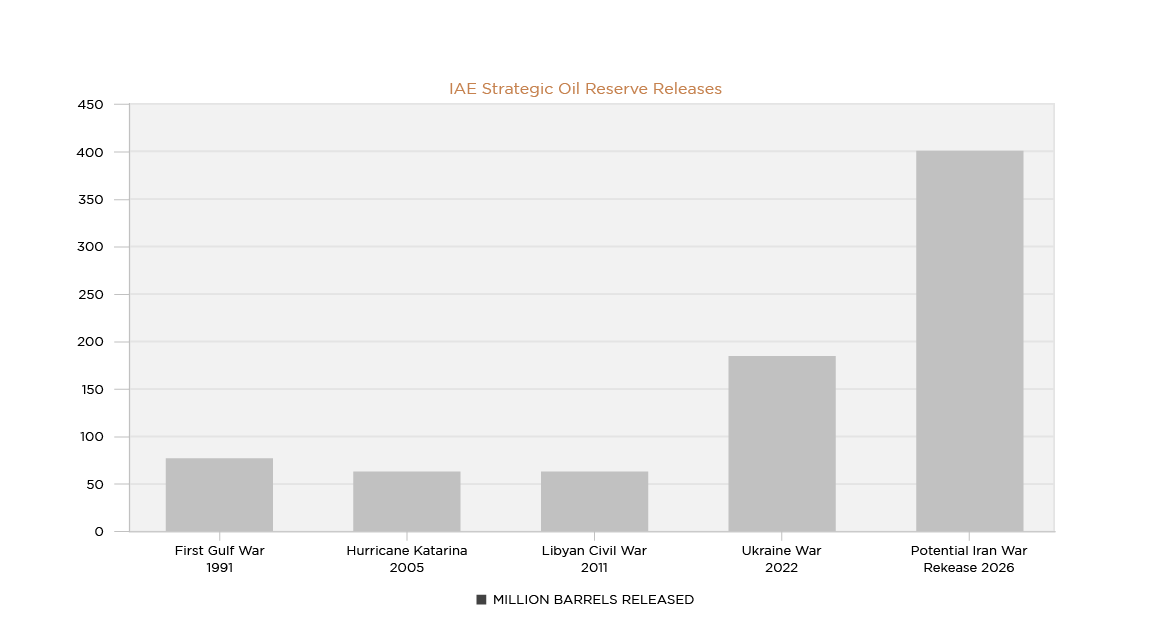
A potential 400 million barrel release would dwarf previous emergency actions.
However, strategic reserves provide only temporary supply relief, not a structural solution. If a geopolitical conflict were to disrupt supply for an extended period, these reserves would only delay the market impact rather than prevent it.
Source: CNBC; International Energy Agency historical releases.
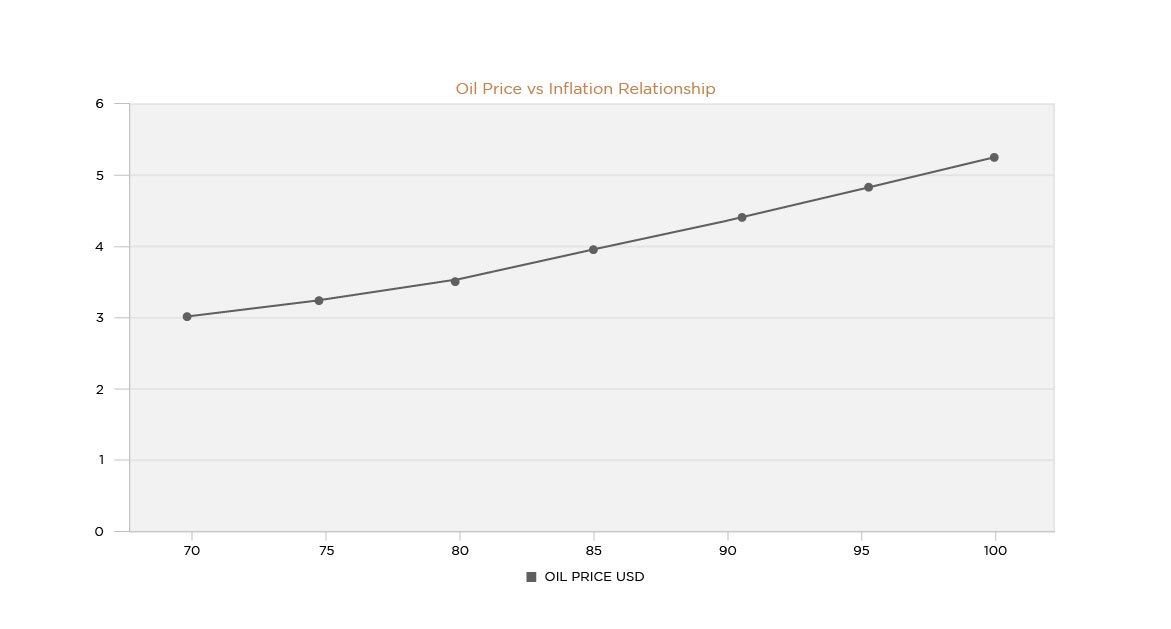
Higher oil prices have historically translated into higher inflation globally, affecting transportation costs, manufacturing input prices and consumer goods.
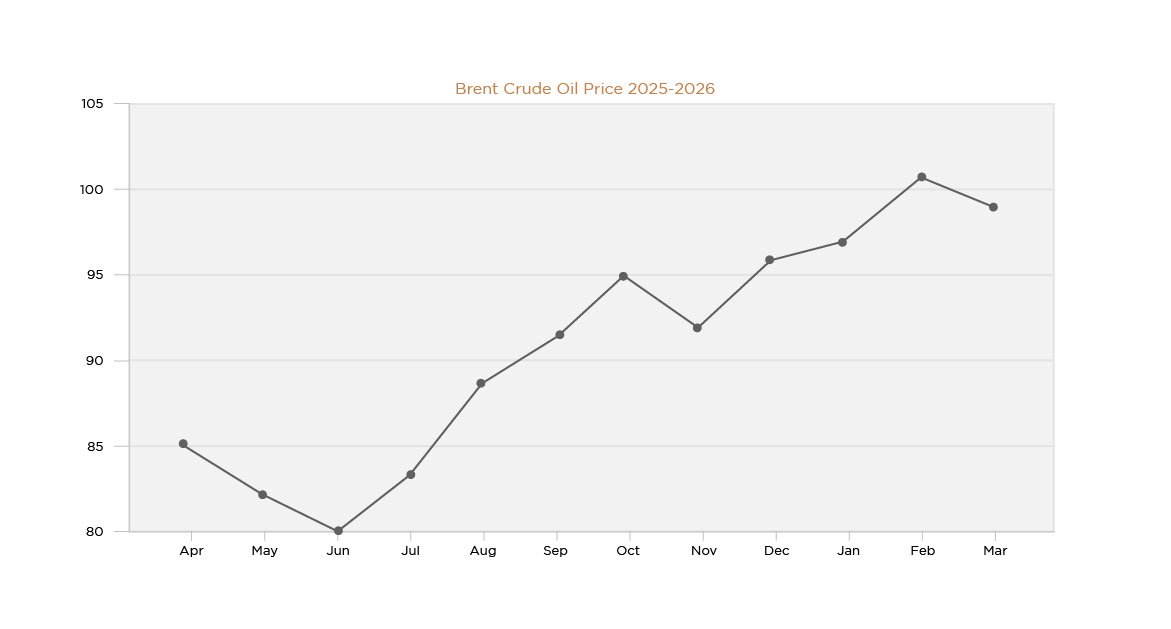
If crude prices sustain levels near or above $100 per barrel, the inflationary impact could be significant.
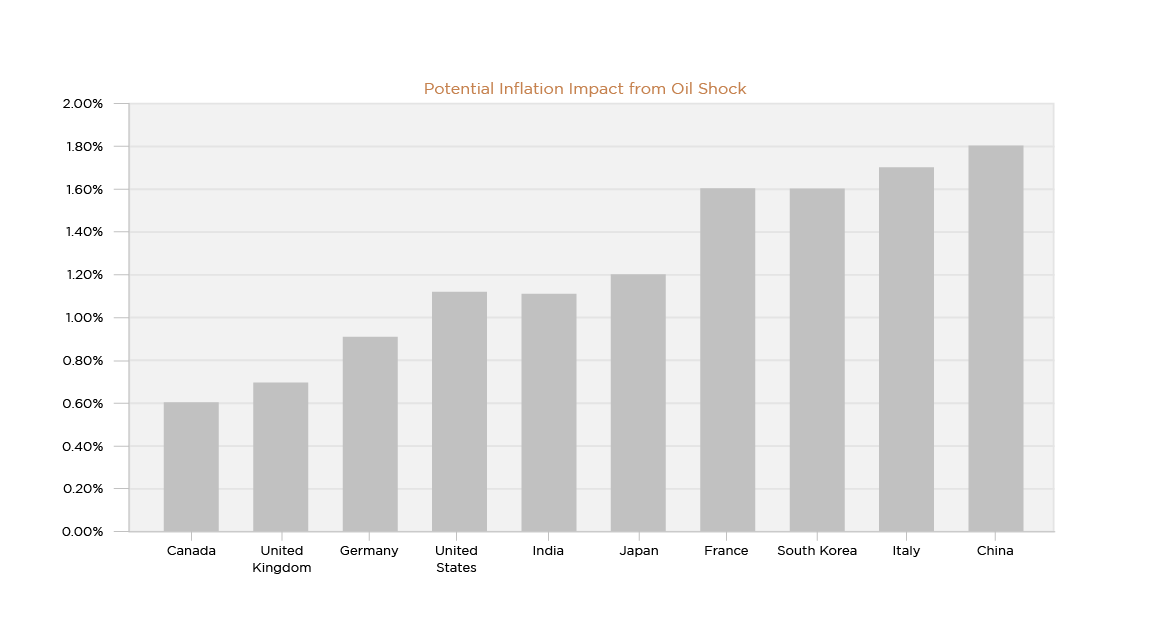
Energy import dependence plays a critical role in inflation sensitivity. Countries with greater reliance on imported oil — particularly in Europe and Asia — face significantly higher inflation risks during energy shocks.
Source: National Institute of Economic and Social Research (NIESR)
The current geopolitical environment has forced central banks into a defensive posture, as they navigate two primary risks:
Energy shocks historically create stagflationary conditions because they:
Central banks may therefore face a situation where cutting rates risks higher inflation, while keeping rates high risks recession.
Financial markets are currently pricing a binary geopolitical outcome:
Scenario 1: Containment
Scenario 2: Escalation
Periods like this test investor discipline. The biggest mistake investors make during geopolitical crises is overreacting emotionally to headlines. Instead, investors should focus on three core principles:
Maintaining liquidity allows investors to act decisively during corrections rather than reacting defensively.
Geopolitical events like this often generate significant market volatility in the short term, but history shows that markets eventually stabilise once uncertainty fades.
The challenge is identifying whether current market weakness represents:
For now, the prudent approach is to remain disciplined, maintain diversification, and hold sufficient liquidity to respond as events unfold.In periods of uncertainty, patience and risk management become the most valuable assets an investor can have.
While the current escalation has understandably raised concerns across markets and the region, it is also important to maintain perspective. Geopolitical crises often develop rapidly but can also de-escalate just as quickly once diplomatic or strategic objectives are achieved. Should tensions ease over the coming weeks, markets are likely to move on swiftly, treating the episode as a temporary shock rather than a structural shift in the global order.
Although the events have inevitably created a degree of disruption and uncertainty, the broader fundamentals of the region remain intact. The Middle East, and the Gulf in particular, continues to play a vital role in global energy markets, trade flows, and investment activity. While recent developments may have briefly challenged perceptions of stability, they also highlight the resilience and strategic importance of the region within the global economy. History has repeatedly shown that markets tend to recover quickly once uncertainty begins to fade.
Commentary by Warren Poon at AIX Investment Group
Disclaimer: The above market analysis/information is recreated for information and knowledge purposes only under personal capacity, however it does not constitute any liability or obligation upon the readers or the firm to take investment decisions.